


The 1994 FIFA World Cup was a landmark event for soccer in the United States, fundamentally reshaping the game’s trajectory.
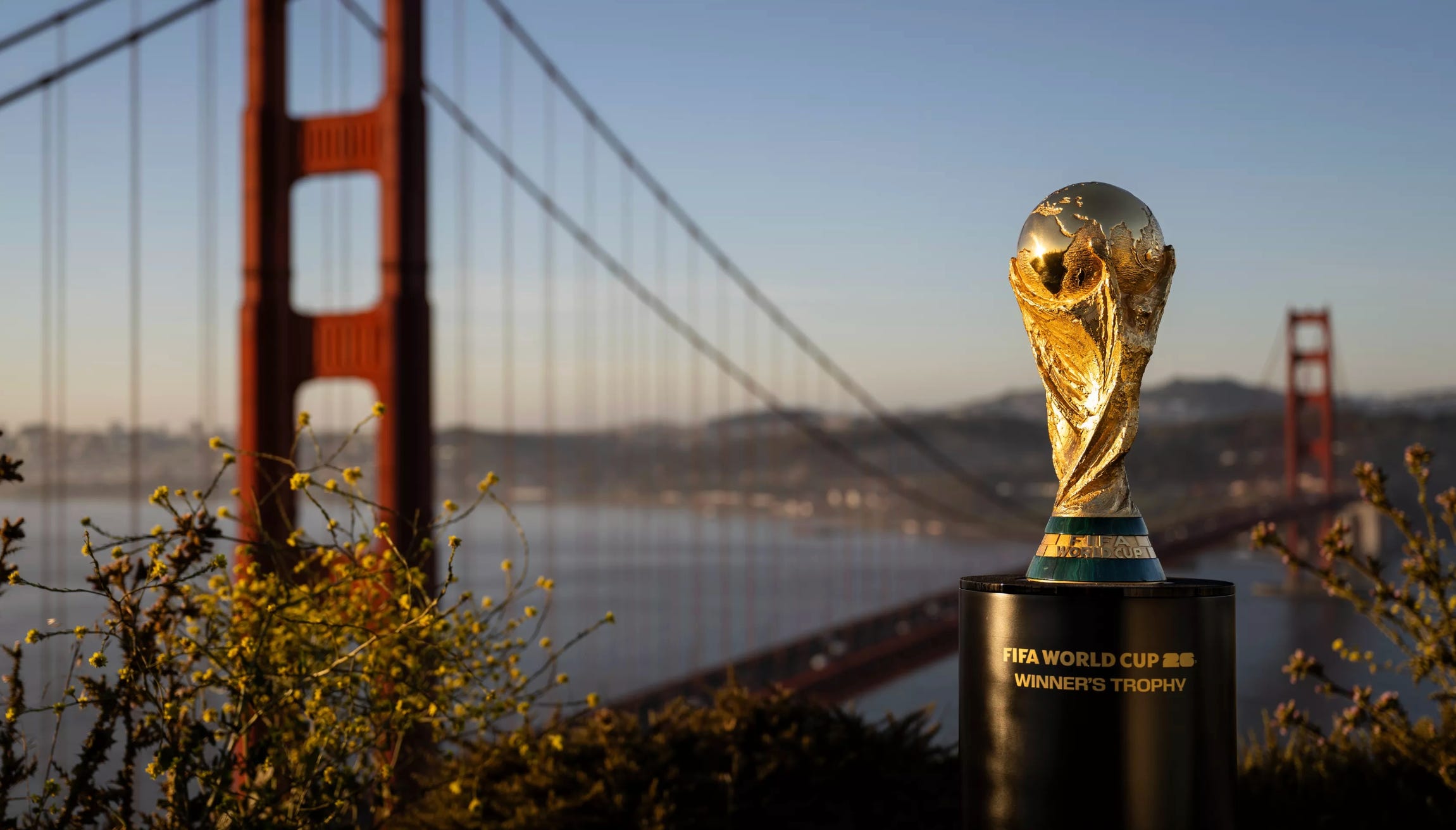
Now, more than three decades later, the United States is preparing to co-host the 2026 World Cup alongside Canada and Mexico. With far more cultural awareness and public interest in place compared to 1994, the upcoming tournament holds transformative potential — not just to replicate the legacy of 1994, but to surpass it.
“This World Cup represents an opportunity and a responsibility for our country. A home World Cup is special,” observed former USMNT defender Alexi Lalas, who will work as a Fox Sports analyst at the World Cup. “I’ve lived the power of what a World Cup can do to an individual. … My life changed forever after the 1994 World Cup in the U.S., but soccer in America also changed forever. To this day, I still meet people who point to 1994 as a seminal moment from their youth and a touchstone for when their love of the beautiful game was born and ignited.”
The 1994 World Cup changed American soccer in several foundational ways. At the time, the sport was relatively niche in the U.S., with no men’s pro league and limited mainstream media coverage.
However, the tournament exceeded all expectations. Held in an NFL stadiums, it broke attendance records, drawing more than 3.5 million fans and averaging nearly 69,000 fans per match — a record that still stand today. These staggering numbers helped legitimize the U.S. as a capable host and proved that, with the right platform, soccer could succeed in the American market.
A critical condition of the U.S. hosting the 1994 tournament was the creation of a new domestic professional league. In response, Major League Soccer launched in 1996. Though its early years were rocky, the league has since grown, featuring soccer-specific stadiums and increasing international credibility. The World Cup served as the catalyst for this transformation, planting the seeds of pro soccer infrastructure.
The 1994 World Cup also ignited interest in youth soccer. Participation rates soared in the years that followed, aided by suburban leagues and after-school programs. As a result, soccer began to integrate more deeply into American culture, especially among younger generations and immigrant communities for whom the sport already held significance.
The internet certainly helped in the early 2000s. The creation of more soccer content, boosted visibility for the sport. Streaming services and social media soon followed and U.S. fans can watch dozens upon dozens of games from around the world each weekend.
This is where 2026 presents a historic opportunity. With 48 teams competing and a broader North American footprint, next summer’s World Cup is set to be the largest and most inclusive tournament ever. The increased number of matches, host cities and participating nations will amplify global engagement and local economic impact. Cities across the U.S. are already investing in stadium upgrades and tourism initiatives to prepare for the influx of fans.
Indeed, one of the most promising aspects of 2026 is the ability to inspire a new generation of players and fans. Unlike in 1994, soccer now enjoys a much deeper cultural foothold in the U.S. Many young fans already follow European clubs and global superstars thanks to those streaming platforms and social media platforms.
Furthermore, many will see a World Cup match (the high cost of tickets not withstanding) in person in their own city — something that can only motivate more kids to play the game in the future.
In many ways, the United States is already a “soccer nation.” It became one in the years that followed the ‘94 World Cup. By 2010, the U.S. was a team that could compete with many mid-tier nations from around the world. Landon Donovan’s last-gasp goal against Algeria to help the USMNT win 1-0 — and its group — galvanized the nation around the team that summer.
“I was 12 and I didn’t really know a lot about the sport, but I had watched tapes and stuff of highlights and things like that, and then going to that Argentina-Romania game [at the ‘94 World Cup] was such a big deal for me, because I’d never seen a live soccer game,” Donovan recalled in 2014. “I didn’t know what it was about. That was a great game. I went to that game, and it sort of opened my eyes to the bigger world of soccer besides just playing club soccer or playing in my backyard.”
The overall economic potential is also enormous. Analysts project billions in revenue across North America from ticket sales, tourism and sponsorships. If well-managed, this financial windfall could be reinvested into local communities, infrastructure and youth development programs. MLS could significantly benefit by gaining international exposure and perhaps even leveraging the tournament to recruit top talent and build new partnerships.
Technology and media will also play a key role. In 1994, coverage was limited to a few broadcast channels. In 2026, the tournament will be streamed, shared and dissected across countless platforms like never before — giving fans unprecedented access to it. This will open new pathways for engaging casual fans and strengthening soccer’s media footprint.
Former U.S. defender John Harkes told me this past summer that he’s excited about the World Cup returning to this country.
“We have more opportunities now,” he said. “Enjoy the moment as we build on to it.”
Success, however, isn’t guaranteed. For the 2026 World Cup to truly transform the game in the United States, several things must go right. First, the tournament must be well-run. There’s little doubt that will be the case.
Second, the U.S. must put in a strong performance — like in ‘94 — in order to galvanize interest and national pride. That could prove difficult given how erratic the team has played over the past year.
Should these two elements align, the legacy of 2026 could far outpace that of 1994. Not only would it leave strong memories for generations to come, but finally turn the United States into a place that can all soccer one of its most popular sports.
“The responsibility we have is to make sure we don’t screw it up, on or off the field,” Lalas said. “If we get it right, people will be left with a positive and memorable experience and impression of our country, seen through the lens of the World Cup.”
Hopefully, the 2026 World Cup will inspire a new generation of global fandom, building on the legacy of '94.